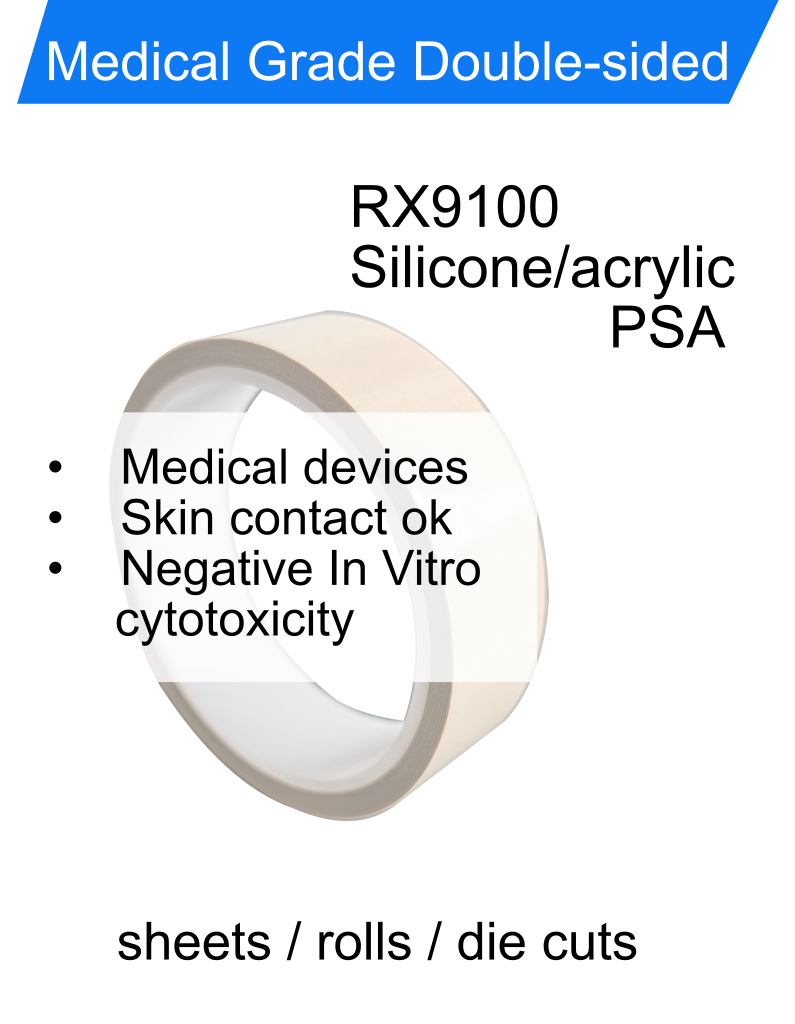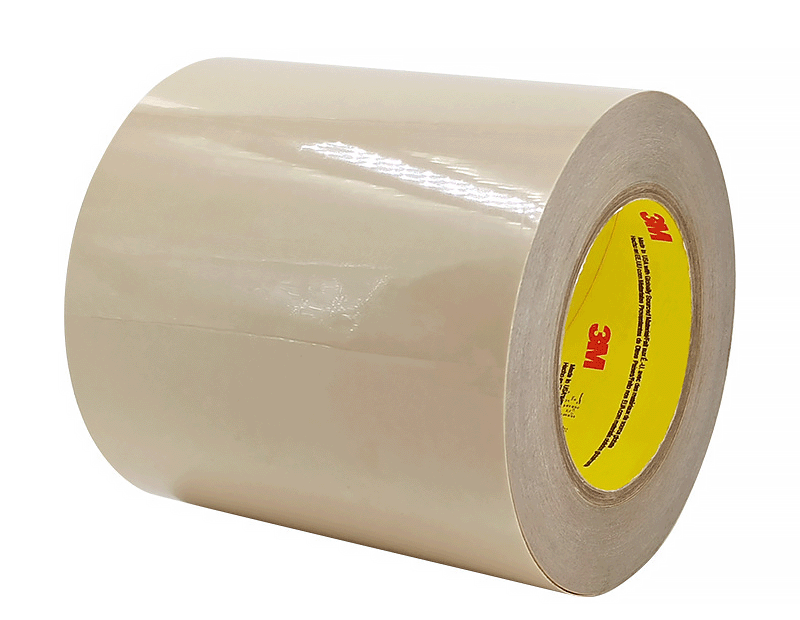
While 3M 9731 is an excellent pressure sensitive adhesive, having been used in producing graphic overlays and membrane switches, it’s use has been expanded with the growth of batteries for vehicle production.
So why consider an alternative to 3M 9731 if it is manufactured by a world-class company, 3M, and is a reliable product? There are two reasons: to protect your supply lines by qualifying a back-source and for cost savings.
There are niche manufactures of silicone differential adhesives in the USA that are usually known to professionals in the pressure sensitive tape industry, and engineers who have spec’d in their tape.
Here is a comparison of data sheets of 3M 9731 and another manufacture who’s products have successfully been implemented with the same performance criteria as 9731.
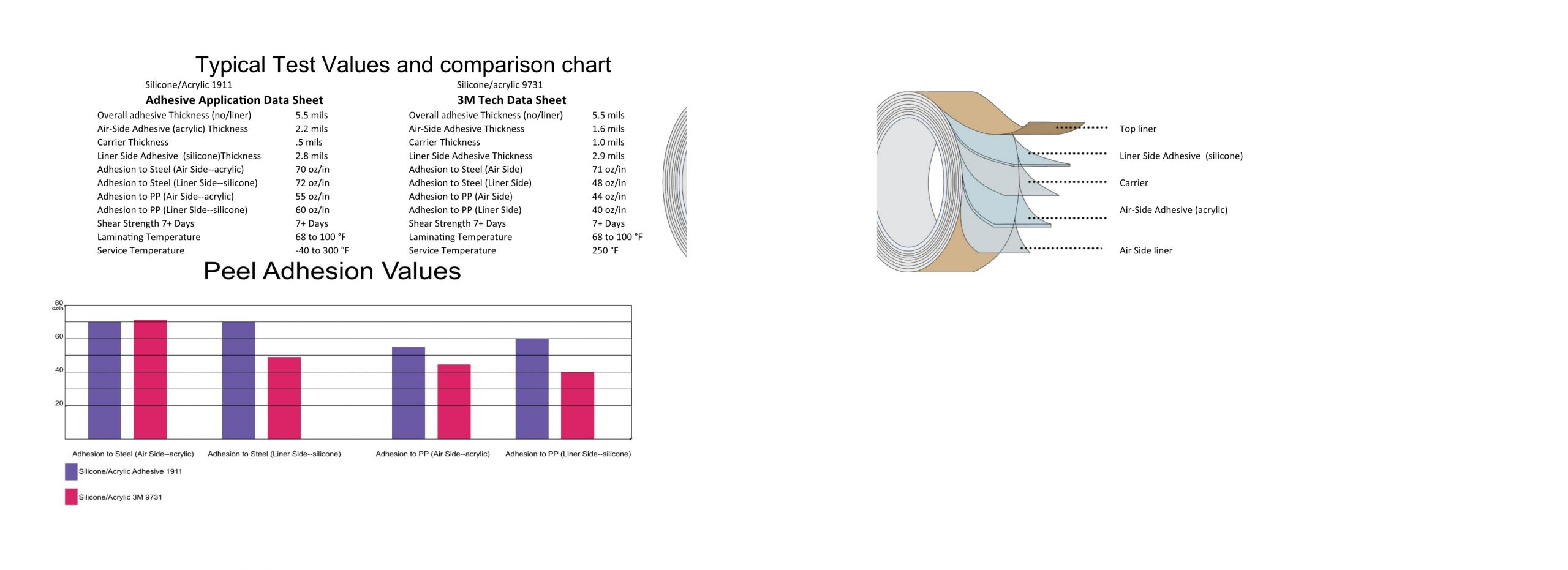
Here is summary of the attached comparison data:
- 3M9731 and competitor tape 1911 have same tape construction
- Differential adhesive layers of silicone and acrylic
- Double linered
- Total adhesive tape thickness of 5.5 mils
- Tape 1911 and 9731 similar peel values to steel on the acrylic side
- Tape 1911 stronger hold than 3M 9731 on the silicone side (33% superior peel values on steel)
- Tape 1911 works at a slightly higher service temperature
Conclusion: tape 1911 may or may not be the best suitable option for your particular application. Substrate and its surface energy are often the most considered value when making a determination to tape’s effectiveness.
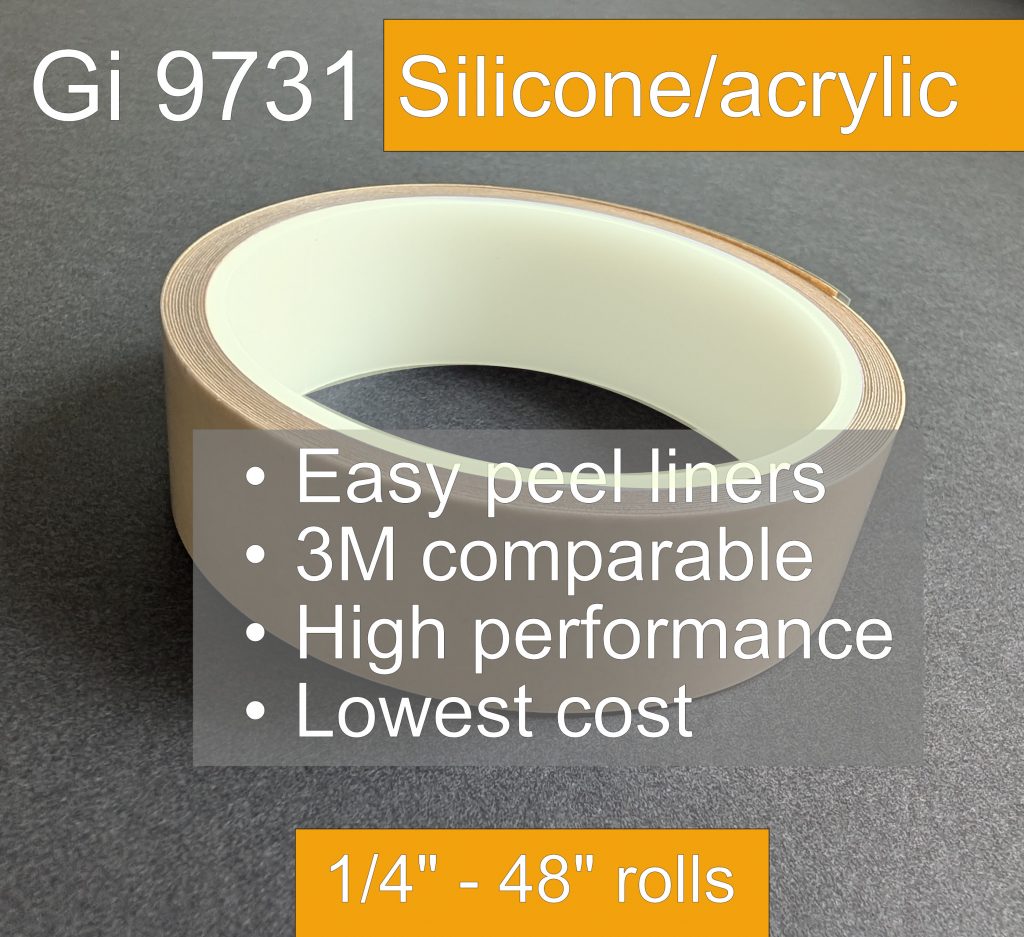
Recently, we have introduced a more direct alternative to 3M 9731, having similar data values and even physical appearance. The transparent film liner on the silicone side has easier slip than the 3M, allowing for easier removal of the silicone side liner, which is appreciated particular those with higher usage volume. The part number is Gi 9731. It is an overseas sourced product that offers more attractive pricing, making it a viable option for those needing to meet budgets and cost-down efforts. Gi 9731 is also used as a qualified back up to 3M 9731 to protect critical supply lines.
Why Dual Sourcing Matters
- Reduces production stoppage risk
- Prevents revalidation delays
- Improves procurement leverage
- Stabilizes long-term pricing
- Supports global manufacturing continuity
Free samples to test.